Echoes in the Overlap
By Craig Bosward • Clarity Series
English Reflection
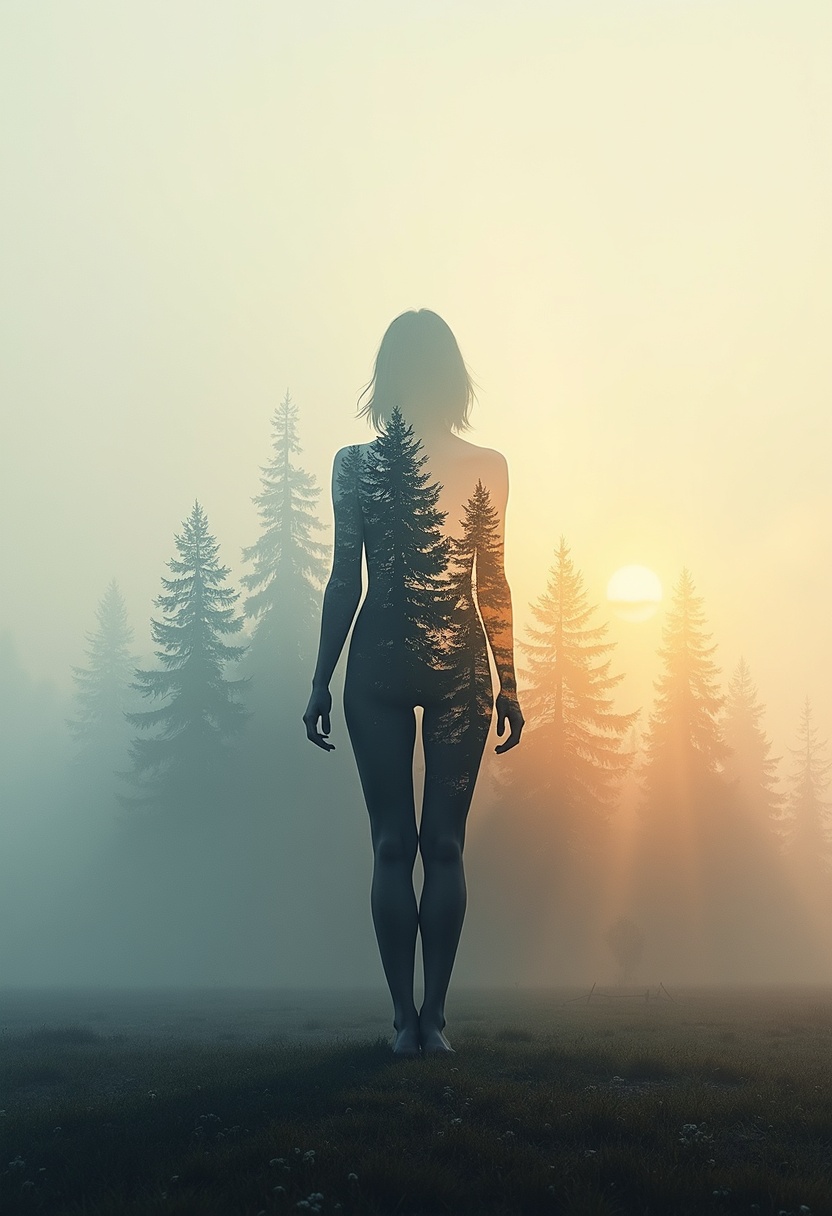
Double exposure is the quiet act of holding two truths at once without forcing them to agree. In the darkroom, a single frame receives two silhouettes, and the resulting image asks you not to choose but to let the overlap speak. Pause before you look. Breathe once, and let the first layer settle into the second before you reach for a meaning. The figure in the foreground is not the whole story; the faint shape behind it is not the background. They are both present, both alive, both asking for your attention without demanding it. You do not have to name what you see. You can simply hold the image in your mind, let the two exposures compete for a moment, and then let them rest. Clarity does not mean one clean line. Sometimes it means two lines, slightly offset, creating a thin space between them where your eyes can finally rest. The overlap is not confusion. It is depth wearing the disguise of mess.
Deutsche Reflexion
Zwei Bilder, ein Atemzug. In der Doppelbelichtung überlagert sich das eine mit dem anderen, bis die Grenzen zwischen ihnen weicher werden. Du hältst die Platte fest in den Händen und spürst, wie die Tonerden sich im Licht auflösen. Nimm eine Pause. Atme einmal tief, bevor du das zweite Bild darauflegst. Die Klarheit entsteht nicht im perfekten Abzug, sondern im Moment, in dem du den Verschluss loslässt und vertraust. Nicht alles muss erkennbar sein. Ein Umriss genügt. Ein Hauch von Schatten, der sich mit dem Licht mischt, bis daraus etwas Neues wächst. Stelle dich vor das Fenster. Lass den Morgen die Wände durchziehen. Beobachte, wie zwei Realitäten - das, was du siehst, und das, was du fühlst - sich zu einer einzigen Fläche vereinen. Kein Überlagern im technischen Sinn, sondern im inneren. Du stellst fest: Doppelbelichtung ist keine Technik. Sie ist eine Einladung, loszulassen, was du kontrollieren willst, und zuzulassen, was sich über dich legt.
Reflexión en Español
La doble exposición no es confusión. Es el permiso de ver dos cosas a la vez sin forzar una sola imagen. Cuando sostienes una fotografía mental que se superpone a otra, no necesitas elegir cuál es real. Basta con pausar, respirar y dejar que ambas capas existan en el mismo encuadre.
Caminar despacio por un pasillo donde la luz de ayer se proyecta sobre el suelo de hoy no te desorienta si simplemente caminas. No hay que borrar una imagen para que la otra aparezca. La claridad no exige un fondo negro. Acepta que tu percepción tiene transparencias. Que lo que recuerdas se funde con lo que tocas ahora, y que ambas capas son tuyas.
Detente un momento. Escucha el silencio entre los dos planos. Ahí, en esa zona intermedia donde nada es sólido y todo es posibilidad, reside la calma más honesta. No hay que resolver la superposición. Hay que habitarla, sin prisa, sin juicio, con la suavidad de quien deja que la luz pase a través de dos vidrios distintos y confía en lo que emerge.
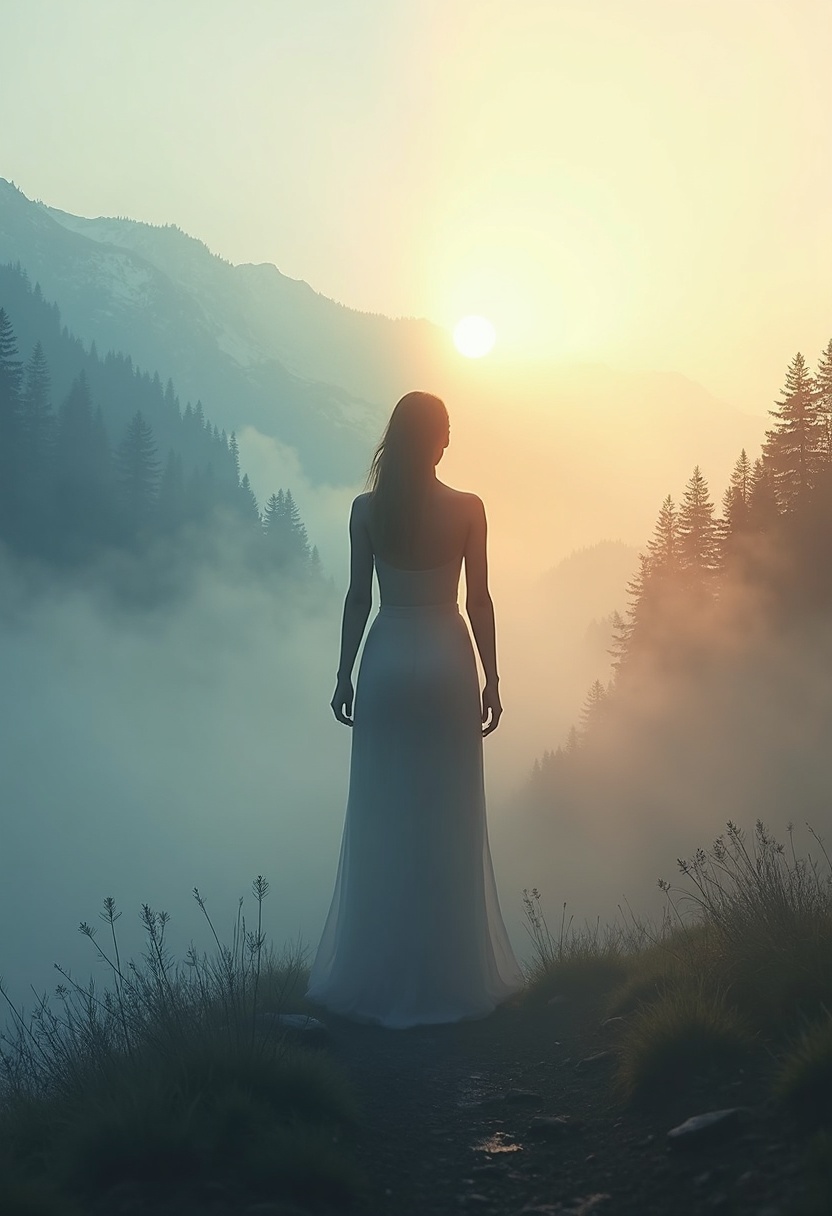

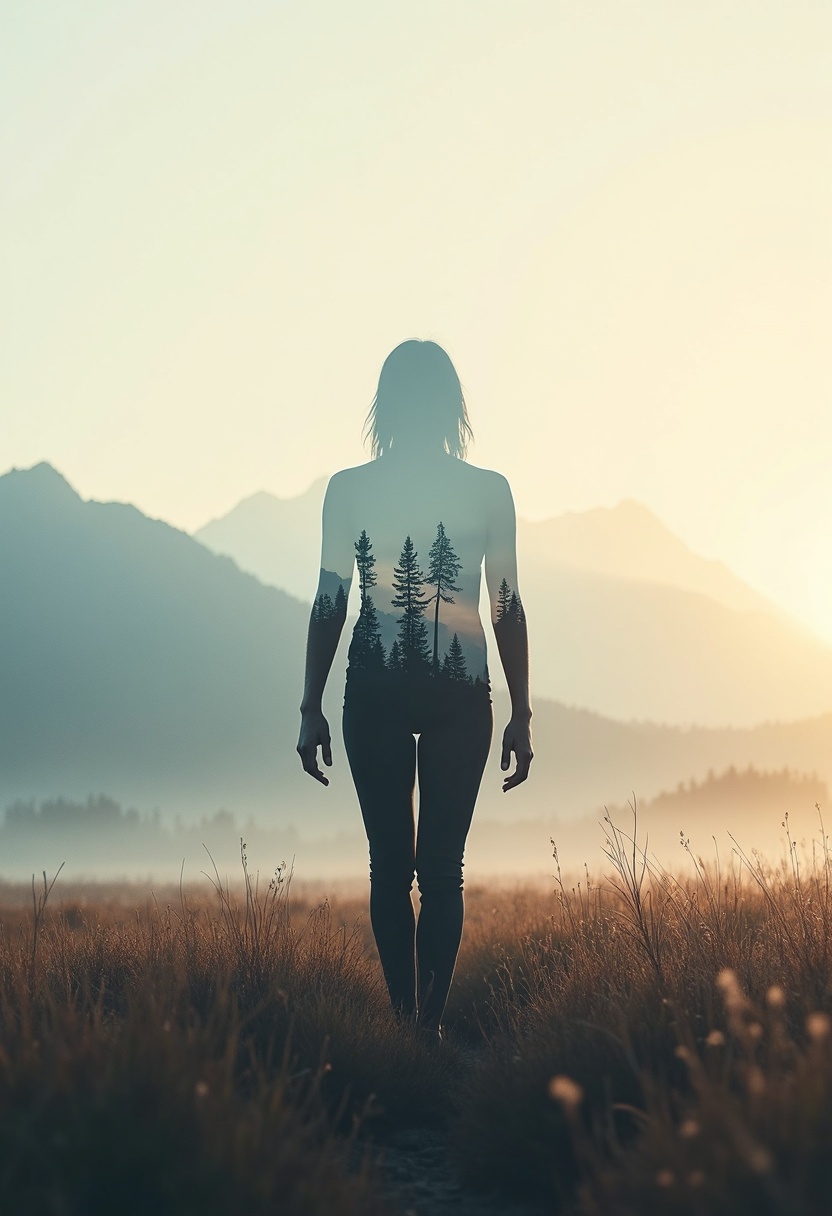
Double exposure layers two images into one frame, inviting the viewer to hold ambiguity as depth rather than error.
What happens when you stop trying to pick one layer and simply let both speak?
Doppelbelichtung überlagert zwei Bilder zu einer einzigen Klarheit, in der Grenzen weicher werden und Loslassen sichtbar wird.
Was passiert, wenn du das zweite Bild nicht wählst, sondern es dich wählen lässt?
La doble exposición es la capacidad de sostener dos percepciones simultáneas sin forzar una sola verdad, permitiendo que ambas capas coexistan con calma.
¿Qué sucede cuando dejas de elegir entre lo que ves y lo que recuerdas?
Explore More Clarity
Books You Might Like
We use cookies and similar technologies to improve your browsing experience and personalize content. By continuing to use our site, you agree to our use of cookies.